
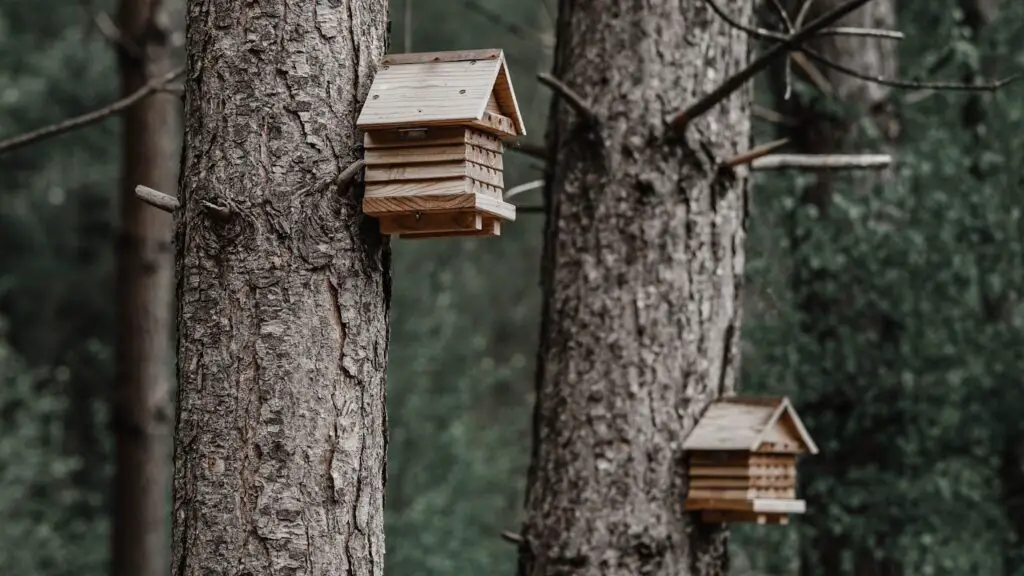
Birdhouses provide valuable shelter and nesting sites for avian species, contributing to biodiversity and ecological balance. However, inadequate ventilation within these structures can lead to detrimental consequences for birds, including increased humidity, mold growth, and potential disease transmission. Implementing a slatted floor design addresses these concerns, promoting a healthy and hospitable nesting environment.
I. The Importance of Ventilation in Birdhouses:
Ventilation plays a crucial role in maintaining a suitable microclimate within birdhouses. Inadequate air circulation can result in:
Elevated Humidity: Moisture from bird droppings, nesting materials, and rain can accumulate, creating a damp environment.
Mold and Mildew Growth: The presence of excessive humidity fosters the proliferation of mold and mildew, potentially harming birds through respiratory problems and allergies.
Disease Transmission: Poor ventilation can contribute to the spread of parasites and infectious diseases among birds.
Heat Stress: During hot weather, trapped heat can lead to overheating and distress for birds, especially chicks.
II. Slatted Floor Design: Promoting Air Circulation:
A slatted floor design effectively addresses ventilation concerns by introducing airflow throughout the birdhouse.
Construction Technique: Instead of a solid floor, the floor is constructed using evenly spaced slats of wood, creating gaps for air passage.
Material Selection: Hardwoods such as cedar or redwood are ideal due to their durability and resistance to decay. Softwoods like pine can be used but may require additional treatments for longevity.
Slat Spacing: Spacing between slats should be approximately ¼ to ½ inch to ensure sufficient air circulation while preventing chicks from falling through.
III. Step-by-Step Construction Guide:
Materials:
Wood (cedar, redwood, or pine) - 1x6 inch boards
Wood glue
Screws
Hammer
Saw
Drill
Measuring tape
Pencil
Sandpaper
Stain or paint (optional)
Instructions:
1. Design and Cutting:
Choose a birdhouse design: Select a blueprint or design that aligns with the specific bird species you wish to attract.
Measure and cut: Use the chosen design as a guide and accurately cut all necessary wood components to the specified dimensions.
Slat preparation: Cut the 1x6 inch boards into strips for the slatted floor, ensuring each strip is slightly longer than the width of the birdhouse.
2. Assembling the Base and Floor:
Base construction: Assemble the base of the birdhouse according to the chosen design, ensuring a sturdy foundation.
Slatted floor assembly: Use wood glue and screws to attach the slats to the base, leaving the specified gaps between them. Ensure the slats are flush and securely fastened.
3. Constructing the Walls and Roof:
Wall assembly: Securely attach the walls to the base, ensuring they are plumb and level.
Roof construction: Attach the roof to the walls using screws and glue, ensuring a tight fit.
Entrance hole: Create the entrance hole according to the chosen birdhouse design, using a drill or saw.
4. Finishing Touches:
Sanding: Sand the exterior and interior surfaces of the birdhouse for a smooth finish.
Staining or Painting: Apply a wood stain or paint to protect the birdhouse from weather and add a decorative touch. Choose colors that blend with the surrounding environment.
Placement: Select a suitable location for the birdhouse, ensuring it is placed in an area with adequate sunlight and protection from predators.
IV. Maintenance and Longevity:
Regular Inspections: Inspect the birdhouse periodically for any signs of damage, wear, or nesting material buildup.
Cleaning: Clean the birdhouse after each nesting season to remove debris and reduce the risk of disease transmission.
Repairs: Address any damage or wear promptly to maintain the integrity and functionality of the birdhouse.
Protection: Shield the birdhouse from harsh weather elements and potential predators.
V. Additional Considerations:
Bird Species: Choose a birdhouse design tailored to the specific bird species you wish to attract, considering their nesting preferences and size.
Location: Select a suitable location that offers protection from predators and adverse weather conditions.
Accessibility: Ensure the birdhouse is easily accessible for cleaning and monitoring.
VI. Conclusion:
Constructing a birdhouse with a slatted floor is a simple yet effective way to promote healthy nesting conditions for birds. This design ensures adequate ventilation, reducing humidity, mold growth, and potential disease transmission. By following the provided step-by-step guide and taking into account additional considerations, individuals can contribute to bird conservation and foster a thriving avian population.
0 comments:
Post a Comment
Note: Only a member of this blog may post a comment.