
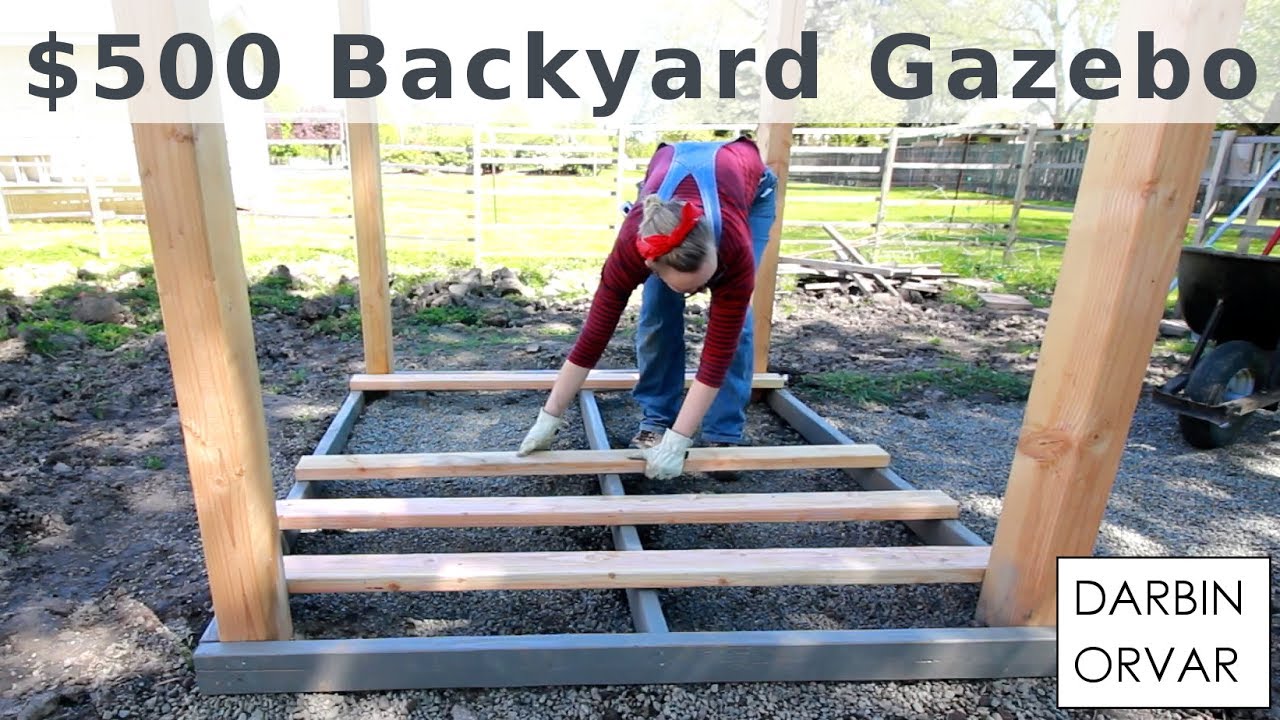
For grilling enthusiasts with sizable equipment, a traditional gazebo may not offer the necessary space. Building a high-ceiling gazebo specifically designed for larger grills provides a dedicated and comfortable outdoor cooking area, shielded from the elements and enhancing the grilling experience. This guide offers a comprehensive roadmap for building a high-ceiling gazebo, addressing key considerations and providing step-by-step instructions.
Planning and Design Considerations:
1. Determine Grill Dimensions and Space Requirements:
Measure the grill's width, depth, and height, including any extensions or accessories.
Consider the desired clearance between the grill top and the gazebo ceiling for safe operation and adequate ventilation. A minimum clearance of 3-4 feet is recommended for most grills.
Account for additional space around the grill for maneuvering and working comfortably.
2. Select the Right Gazebo Size and Shape:
Size: Choose a gazebo that comfortably accommodates the grill and offers ample working space, ideally 4-5 feet on each side of the grill.
Shape: Square or rectangular gazebos offer the most space efficiency for larger grills. Octagonal gazebos provide a unique aesthetic, but might limit space.
Height: Aim for a ceiling height of at least 8-10 feet to accommodate larger grills and ensure adequate ventilation.
3. Material Selection:
Frame: Aluminum is lightweight, rust-resistant, and readily available. Steel provides greater durability but is heavier. Wood offers a natural aesthetic but requires regular maintenance.
Roof: Vinyl or fabric covers are budget-friendly and lightweight. Metal roofs offer durability and longevity but are heavier. Polycarbonate roofing provides excellent light transmission and weather resistance.
Walls: Optional walls can be constructed from wood, metal, or vinyl, providing privacy and wind protection.
4. Foundation and Ground Preparation:
Foundation: For a permanent gazebo, a concrete slab foundation is recommended for stability and longevity. For temporary structures, consider a gravel pad or pressure-treated wooden deck.
Leveling: Ensure the foundation is perfectly level to prevent water pooling and structural issues.
Construction Process:
1. Assembly of the Gazebo Frame:
Frame Components: Carefully inspect and identify all frame components, including posts, beams, and connectors.
Assembly Instructions: Follow the manufacturer's instructions for assembling the frame, utilizing appropriate tools and fasteners.
Post Placement: Securely anchor the posts to the foundation using appropriate fasteners, ensuring they are plumb and level.
2. Roof Installation:
Roof Framing: Construct the roof frame using beams and rafters according to the gazebo design and specifications.
Roofing Material: Install the roofing material, ensuring proper overlap and securing it with appropriate fasteners.
Ventilation: Incorporate roof vents or gable vents for adequate ventilation and air circulation.
3. Optional Walls:
Wall Framing: If incorporating walls, construct the wall framing using wood or metal studs and sheathing.
Wall Covering: Install the desired wall covering, such as wood siding, vinyl panels, or fabric.
Doors and Windows: Consider adding doors and windows for privacy and accessibility.
4. Finishing Touches:
Gutters and Downspouts: Install gutters and downspouts to manage rainwater runoff.
Lighting: Add lighting fixtures for evening use, ensuring they are weatherproof and properly installed.
Decorative Elements: Personalize the gazebo with decorative elements, such as curtains, plant hangers, or a grill cover.
Additional Tips for a High-Ceiling Gazebo:
Reinforced Framing: Consider using thicker beams and posts for a more robust structure, especially for high-ceiling designs.
Wind Resistance: Ensure the gazebo can withstand strong winds by securing it firmly to the foundation and using wind-resistant roofing materials.
Fire Safety: Install fire-resistant materials in the vicinity of the grill and keep a fire extinguisher readily available.
Electrical Outlets: Install weatherproof electrical outlets for grill operation and lighting.
Maintenance: Regularly clean and maintain the gazebo to ensure its longevity and aesthetic appeal.
Building a high-ceiling gazebo for a large grill offers a unique and practical outdoor cooking solution. By following these comprehensive guidelines, you can construct a durable, functional, and stylish structure that enhances your grilling experience and provides a dedicated space for entertaining guests. Remember to prioritize safety, quality, and functionality throughout the construction process to ensure a successful and enjoyable outcome.
0 comments:
Post a Comment
Note: Only a member of this blog may post a comment.