
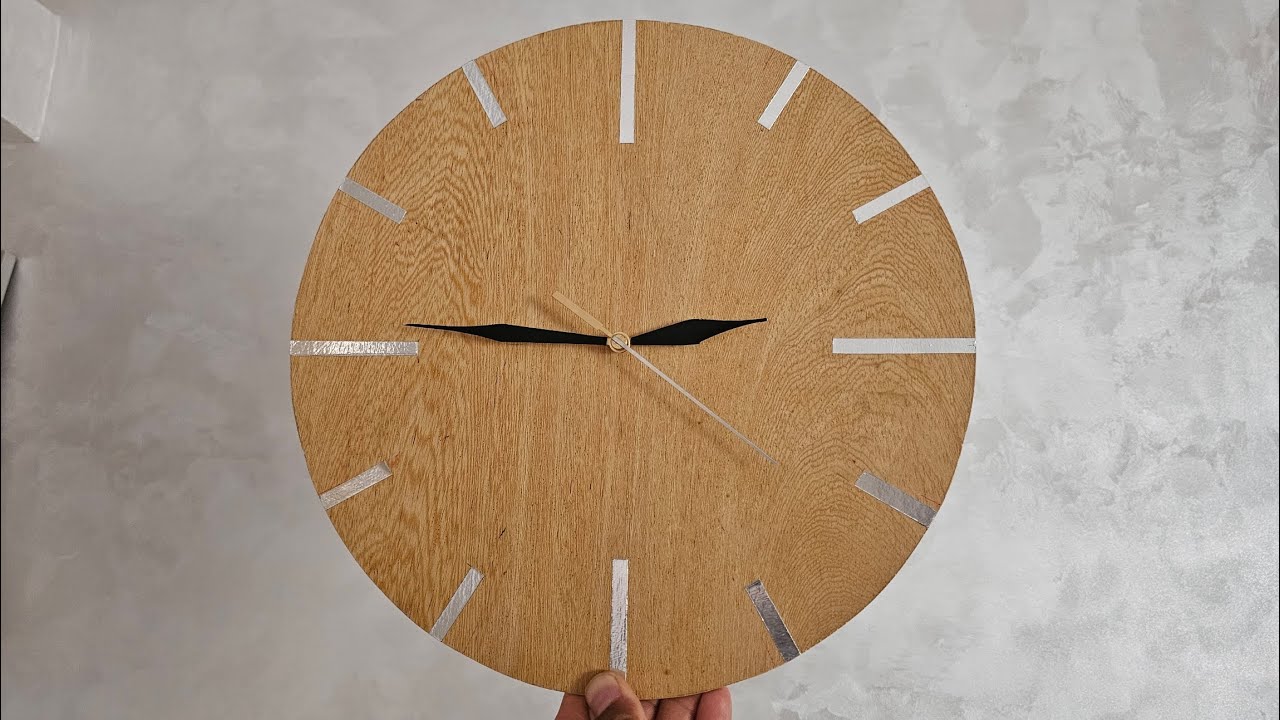
The allure of handcrafted creations transcends mere functionality, offering a unique blend of artistry and practicality. In this realm, crafting a custom wooden clock presents a rewarding endeavor for those seeking a personalized timepiece that reflects their individual style and skill. This comprehensive guide will provide an in-depth exploration of the process, encompassing materials, tools, and techniques for crafting a masterpiece that will adorn your home for years to come.
1. Conceptualizing Your Design:
The initial step involves envisioning your desired clock, considering its aesthetic, size, and overall design. This stage entails exploring different styles, from rustic farmhouse to minimalist modern, each requiring specific materials and techniques.
Shape and Size: Determine the desired shape and size of your clock face. Explore options like round, square, rectangular, or even intricate geometric patterns. Consider the space where the clock will be displayed and choose dimensions accordingly.
Material and Finish: Select the wood species that best aligns with your vision. Oak, walnut, cherry, and maple are popular choices for their beauty and durability. Consider the desired finish, whether it's a natural stain, a painted surface, or a combination of both.
Movement and Hands: Choose the clock movement based on the desired functionality and aesthetic. Quartz movements offer silent operation, while mechanical movements add a unique charm. Select hands that complement the overall design.
2. Gathering Materials and Tools:
Once your design is finalized, gather the necessary materials and tools. This will ensure a smooth and efficient crafting process.
Materials:
Wood: Select the chosen wood species in the appropriate dimensions for the clock face and frame. Ensure the wood is free of knots and imperfections.
Clock Movement: Choose a suitable clock movement, considering factors like size, functionality, and aesthetic.
Clock Hands: Select hands that complement the overall design and are compatible with the chosen movement.
Adhesive: Select a strong adhesive for attaching the clock movement and hands.
Staining and Finishing Supplies: Depending on the desired finish, gather stains, varnishes, paints, brushes, and protective coatings.
Hardware: Gather necessary hardware, including screws, nails, and brackets for mounting the clock.
Tools:
Saw: A handsaw, circular saw, or jigsaw will be needed for cutting the wood to size.
Sandpaper: Various grits of sandpaper are needed for smoothing the wood and achieving a desired finish.
Router: A router can be used for creating intricate designs, rounded edges, and grooves.
Drilling Equipment: A drill with various drill bits will be essential for drilling holes for the clock movement and hands.
Measuring Tools: Ensure accurate measurements with a ruler, tape measure, and protractor.
Marking Tools: A pencil, marker, and compass will be helpful for marking the wood before cutting or drilling.
Clamps: Clamps are useful for holding pieces of wood securely during assembly and sanding.
3. Constructing the Clock Face and Frame:
With the materials and tools assembled, you can now begin constructing the clock.
Cutting and Shaping the Clock Face: Cut the chosen wood to the desired dimensions for the clock face. Sand the edges to smooth any imperfections. For intricate designs, use a router to create decorative elements.
Preparing the Clock Movement: Carefully follow the instructions provided with the clock movement to ensure proper installation.
Installing the Clock Movement: Mark the center of the clock face and drill a pilot hole for the clock movement stem. Secure the movement using the provided screws.
Creating the Frame: If desired, create a frame around the clock face using additional pieces of wood. Join the frame components using wood glue and clamps. Sand the frame to a smooth finish.
Assembling the Clock: Once the frame is assembled, attach it to the clock face using wood glue and clamps. Allow the glue to dry completely.
4. Finishing and Customization:
After assembling the clock, enhance its aesthetic appeal with a customized finish.
Sanding: Sand the entire surface of the clock using various grits of sandpaper. This smooths the wood and prepares it for the chosen finish.
Staining: If desired, apply wood stain to enhance the wood's natural grain and color. Allow the stain to dry completely.
Painting: For a more vibrant look, apply paint to the clock face and frame using brushes or a spray gun. Choose colors that complement your design.
Varnishing: Apply a clear varnish to protect the clock from scratches and moisture. Multiple coats may be needed depending on the desired level of protection.
Decorating: Add further customization by incorporating decorative elements, such as inlays, carvings, or painted designs.
5. Mounting and Enjoying Your Creation:
Once the finishing touches are complete, mount your custom wooden clock to the desired location.
Attaching a Mounting Mechanism: Choose a suitable mounting mechanism based on the clock's weight and design. This could include a keyhole slot, a D-ring hanger, or a wall bracket.
Placing the Clock: Position the clock on the wall or stand ensuring it is level and securely attached.
Enjoying Your Masterpiece: Step back and admire your handcrafted masterpiece. The unique design and personalized touch will bring a touch of elegance and warmth to your home.
Conclusion:
Crafting a custom wooden clock is a rewarding and enriching experience. It allows you to express your creativity and skill while creating a functional and beautiful piece of art. By following these steps, you can create a unique timepiece that reflects your individual style and will become a cherished heirloom for generations to come. Remember to experiment with different materials, finishes, and designs, and enjoy the creative process of bringing your vision to life.
0 comments:
Post a Comment
Note: Only a member of this blog may post a comment.